

Testosterone is Not the Issue – Part 2
In the previous article, 'Testosterone is Not the Issue – So What is?', we touched upon how society is misidentifying the main issues facing men and their hormones.
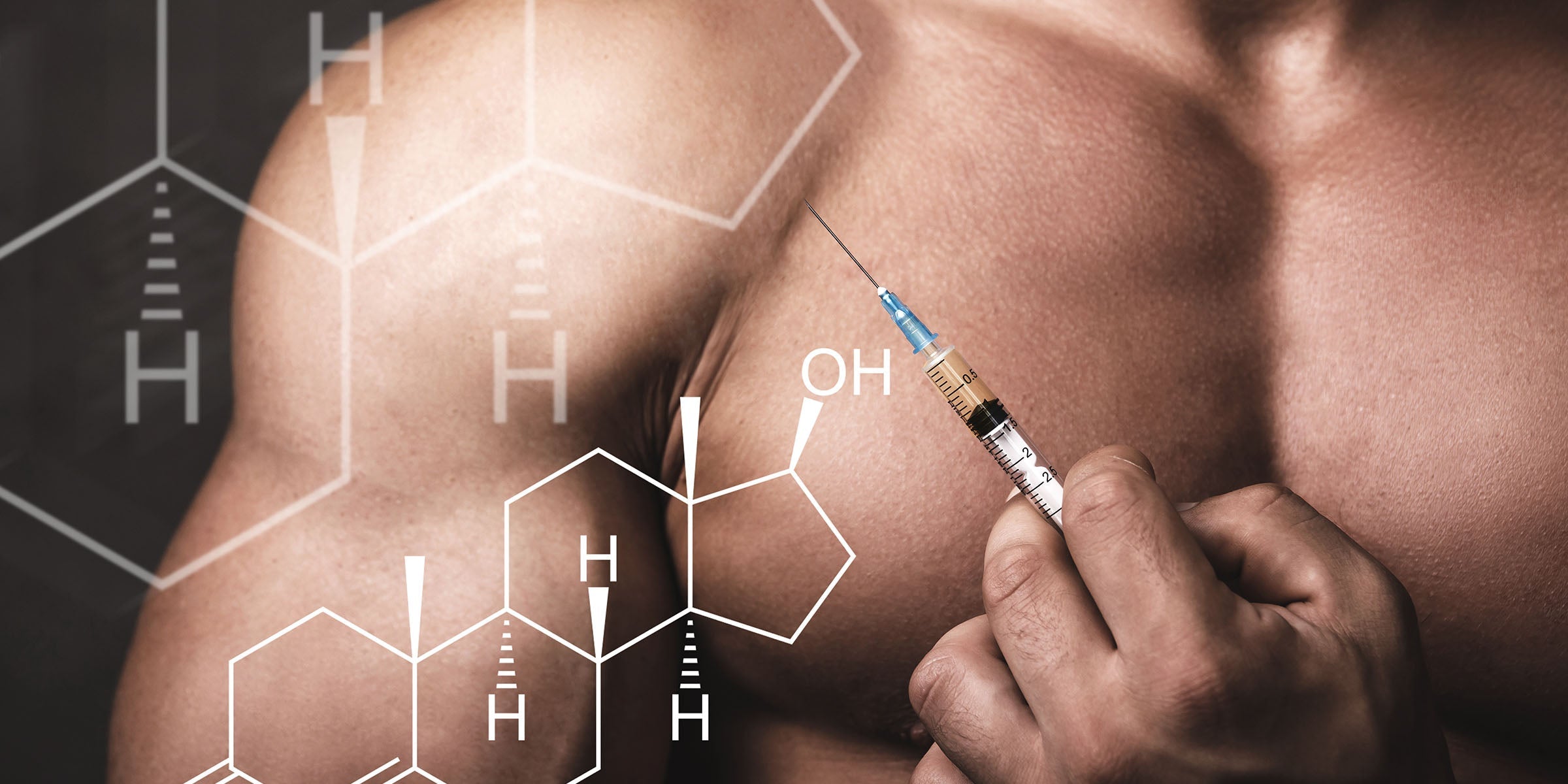
Using the blunt instrument of injecting or consuming exogenous testosterone to boost hormone levels in an attempt to force the body into assimilating these hormones, rather than addressing the real issues and causes, to create a long term solution for optimum male health.
As mentioned in that article, while average testosterone levels in men are definitely declining, it isn’t just the low T number that is the only issue.
As important, is the availability and utilisation of testosterone, and there are any number of hindrances to this, as described below.
The body is a complex system, seeking balance and homeostasis, rather than wild fluctuations.
When the body detects too much of anything in the blood stream, it activates elimination mechanisms – one common one that is well known regarding blood sugar - insulin - is released if blood sugar is too high, where the body down regulates itself. It’s a good thing in that it prevents death from too high blood sugar, but too much and too often and we become insulin resistant, possibly leading to Type 2 Diabetes.
Same with sex hormones – if too much is detected, the body will signal to remove the excess, and that is done in men by converting the excess to estrogen, and then eliminating that via the liver and gut.
There are a number of issues here – why is there an excess of hormone circulating in the bloodstream, and what happens to the converted testosterone? Most importantly, what can be done to optimise testosterone levels, and balance the testosterone : estrogen balance? Ideally a 20:1 level is good.
Too much Testosterone in the blood is not ideal (not a phrase I ever thought I would say) - I mentioned in the previous article about “blocked“ sex hormone receptor sites, caused by environmental factors are a huge issue. No point injecting extra testosterone, if it cannot be utilised. The body just then works to return the levels to “normal”.
It's common place to see the side effects of this in heavy steroid users, with gynecomastia being prevalent, not to mention liver function issues.
This too is seen when people don’t regulate their TRT prescription effectively, seeing it as a "magic pill", rather than part of a solution, when everything else is optimised.
Side effects occur as the body converts what it sees as “excess” hormone in the blood, to estrogen. Failure to clear that within the body then leads to exactly the opposite of what the men are looking for, with excess estrogen circulating, causing all the things we don’t want - libido loss, fat storage, etc. Sound familiar? And then we try to administer more of the testosterone hormone, and that is actually counterproductive.
This aspect of hormone therapy is becoming more acknowledged.
However, what is not so commonly understood, yet is probably the root cause of many over 35 year old men’s issues is an enzyme that hides within our own bodies.
Essentially an evolutionary protection mechanism, the body has something very unhelpful for modern man – hidden in our visceral body fat, an enzyme called AROMATASE.
This enzyme is ever present within the body, and it's function is to convert testosterone to estradiol (a form of estrogen).
Designed in evolution to ensure balance, the side effects of this in modern day life presents itself in the form of low libido, erectile dysfunction, fat gain, fatigue. That’s what we are told are the symptoms of low testosterone.
However, adding in more testosterone if aromatase is out of control will only exacerbate the issues we seek to avoid – it's noted that when men inject TRT weekly, the spike in testosterone is eagerly transformed by aromatase. So the solution offered actually causes more of the issues to be solved. And solving usually means the prescription of aromatase inhibitors (AIs), so more drugs to regulate the drugs. Not sustainable.
A double edged sword, and a huge negative cycle.
THE SOLUTION
As in the previous article, the solution is key and with this aspect, there are a number of lifestyle changes which can help limit the impacts of aromatase.
To be able to solve the issue, we need to ensure we address the root causes, rather than focusing on the symptoms.
1. Body fat management
As aromatase is stored in the body fat, so it goes without saying, the higher the body fat %, the higher the aromatase activity. Worse, the feedback loop is very strong, in that, the more aromatase, the higher the conversion of testosterone to estrogen, the more estrogen, the more the body stores calories as fat, and the cycle continues downwards.
So reducing the visceral body fat is a must. There are a number of ways to do this, but the key point is, there is no magic pill and no quick fix. It's a dedicated long term effort to gain control.
2. Blood sugar management
Linked to the above, specifically insulin presence activates the aromatase enzyme. So it’s vital to improve blood sugar sensitivity in the body, so less insulin is required.
Timing of eating carbohydrates is key, ideally after training so the body’s muscles act as a sugar sponge, and soak up the sugars easily. Muscle-centric aging is now gaining traction, with studies showing the higher the muscle mass a person has, the better they age.
Another useful tip: A 10 minute walk post-meal also has an effect of improving sugar uptake.
Not a popular one, but effective nevertheless - avoiding liquids that spike sugar – eg. alcohol, energy drinks, soda’s etc, as they spike the sugar levels, and insulin required to down-regulate that.
3. Stress reduction
In today’s society, many people suffer from chronic inflammation within the body. If the body is chronically inflamed, due to stress and lifestyle, food choices and the like, aromatase is activated. It’s that evolutionary fight-flight protection.
Acute stress is ok, indeed we survive because of this fight-flight mechanism. The body optimises quickly, and stress levels return to normal. However, the chronic stress we see these days keeps the body in a constant state of stress, leading to high inflammation, and the activation of the body’s hereditary protection mechanisms.
4. Sleep
Getting restorative sleep is a great way to reduce this inflammation – in the previous article I mentioned an increase of 10 – 15% testosterone can be seen if quality sleep is maintained. That’s amazing, especially when the double whammy is seen of increased testosterone, as well as lower aromatase activity.
5. Avoiding processed foods and alcohol
This is key. Processed foods add to the inflammation, and alcohol, as well as boosting blood sugar, and they also require the liver to process and deotx it. The pathway in the liver that detoxes alcohol is also the same pathway used to process the excess estrogen, and as it prioritises getting rid of the alcohol, which it sees as a poison, thus leaving the excess estrogen to circulate and cause all manner of issues.
6. Liver and gut health
Vital parts of the removal of excess hormone are the liver and the gut. Be that excess being caused by aromatase converting testosterone to estrogen, or be that the inability of the free testosterone to dock with sex hormone receptor sites, the liver will seek to remove that excess hormone from the body, and eliminate it via the gut.
If the liver is healthy, this process is optimised. If the liver is damaged from too much processed food, or toxins like alcohol, it's less effective, and the excess estrogen is free to float around the body, causing all sorts of issues that modern man faces.
The gut is also vital, in that if it isn’t functioning well, rather than eliminating the excess hormone passed down from the liver, that toxin is reabsorbed by the body, in a highly carcinogenic form. Key is to have optimum gut health, so avoiding processed foods, alcohol, and the like is key, consuming quality fermented foods is helpful, especially sauerkraut, as the cultures there in help restore the gut. Cabbage also contains a number of substances that help scavenge estrogen within the body, so you get a double benefit.
CONCLUSION
To solve an issue, correctly identify the causes of that issue. Testosterone isn’t the issue, it’s a small part.
The body is a complex mechanism, requiring holistic approaches to resolve modern day environments it wasn’t designed, or evolved into, to deal with.
Quick fixes don’t work – they mask the issues at best, or create bigger issues at worst.
Doing the basics well, consistently, and allowing the body to receive what it requires will deliver long term workable solutions.